







It Didn’t Look Like Much
It was barely noticeable.
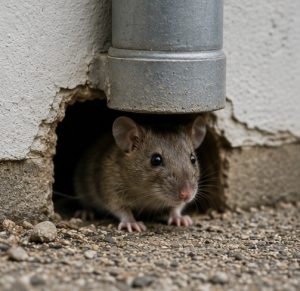
Just a tiny gap beneath an exterior pipe where it entered the wall.
Small enough to ignore.
After all, how much trouble could one little hole really cause?
Months later, the homeowner was replacing contaminated loft insulation, repairing chewed electrical wiring, sealing multiple entry points, and paying for professional pest control.
The repair bill had grown into thousands.
The surprising part?
It all started with one gap.
Across South London, many pest infestations don’t begin with a dramatic invasion.
They begin with a small opening that nobody thought twice about.
The Small Gaps Most Homeowners Never Notice
Every home naturally develops wear over time.
Weather, movement, ageing materials, and everyday use can all create small openings around a property.
Common entry points include:
- Gaps around pipes
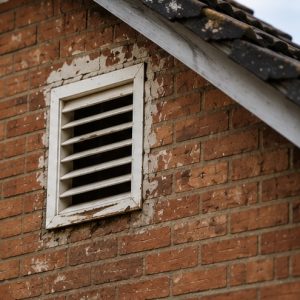
- Damaged air bricks
- Loose roof tiles
- Broken vents
- Cracked mortar
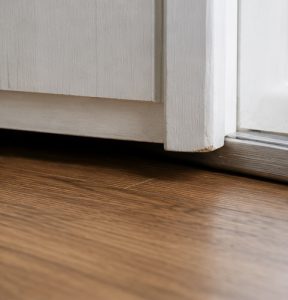
- Gaps beneath doors
- Damaged fascia boards
- Openings around utility cables
Individually, they seem insignificant.
Collectively, they can provide easy access for unwanted pests.
Fun Fact #1
A mouse can squeeze through an opening as small as 6mm.
That’s about the width of a pencil.
If the head fits, the rest of the body usually follows.
It’s Not Just Rodents
Small gaps don’t only attract mice and rats.
They can also provide access for:
- Wasps looking for roof spaces
- Ants searching for food
- Cockroaches seeking warmth
- Spiders following insects
- Flies entering through damaged screens
One tiny opening can become the front door for several different pest species.
Why Pests Love Modern Homes
From a pest’s perspective, your home offers everything they need:
- Warmth
- Shelter
- Food
- Water
- Protection from predators
The only thing standing in their way is access.
Once that access exists, even in the smallest form, the opportunity is there.
Fun Fact #2
Rats don’t usually chew through solid walls.
They almost always exploit weaknesses that already exist.
Professionals often find that rodents entered through an opening the homeowner never even knew was there.
The Hidden Cost Of Waiting
Small gaps rarely stay small.
As pests continue using them, openings can become larger over time.
Meanwhile, activity inside the property may continue unnoticed.
The result can include:
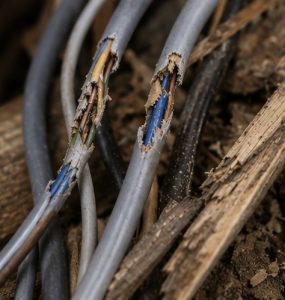
- Chewed electrical wiring
- Damaged insulation
- Contaminated loft spaces
- Nesting materials
- Expensive repairs
By the time visible signs appear, the infestation may already be well established.
Why Lofts Are Often The First Stop
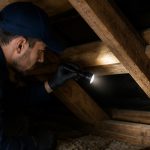
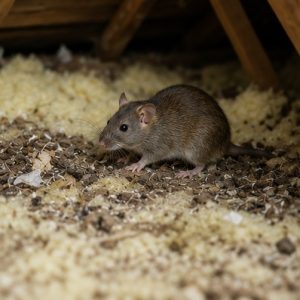
Once inside, many pests head straight for the loft.
It’s quiet.
Warm.
Rarely disturbed.
Perfect for nesting.
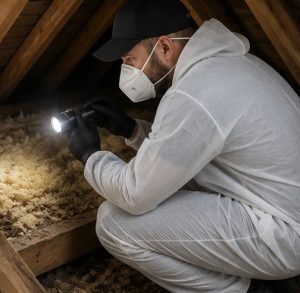
This is why loft inspections often reveal pest activity long before homeowners notice any obvious signs downstairs
What Professionals Look For
Modern pest inspections involve much more than searching for pests.
Professionals assess:
- Entry points
- Structural vulnerabilities
- Droppings
- Gnaw marks
- Nesting materials
- Moisture problems
- Roof defects
- Ventilation gaps
Finding the access point is often just as important as finding the pest itself.
Fun Fact #3
Many repeat infestations happen because pests were removed but the entry point wasn’t.
Without proper proofing, new pests can simply return using the same route.
How Technology Is Improving Pest Prevention
Modern pest management increasingly uses technology to identify risks before they become expensive problems.
Roof inspections, difficult-to-reach areas, and structural defects can often be assessed more safely and efficiently using modern inspection techniques, helping homeowners detect potential entry points earlier.
Rather than waiting for visible signs of an infestation, preventative inspections allow small issues to be identified before they develop into major repairs.
What This Means For South London Homeowners
You don’t need a large hole for a pest problem to begin.
Sometimes all it takes is a gap that most people would walk past without noticing.
Regular inspections and timely maintenance can significantly reduce the risk of pests entering your property.
Small repairs today can prevent much larger costs tomorrow.
The Bigger Lesson
The most expensive pest problems often don’t begin with the pests themselves.
They begin with a tiny weakness in a building that nobody realised mattered.
That small gap beneath a pipe.
The cracked air brick.
The loose roof tile.
Individually, they seem harmless.
Together, they can create the perfect opportunity for an infestation.
Because when it comes to pest prevention, it’s often the smallest details that make the biggest difference.
Learn More
Visit www.veritexpestcontrol.com to learn more about professional property inspections, pest proofing, and preventative pest management across South London.