







It Started With Just A Few Wasps
It was a warm Saturday afternoon in South London.
The children were playing in the garden.
Lunch was cooking on the barbecue.
Everything seemed perfectly normal.
Then someone noticed a few wasps flying around the roofline.
Nobody thought much of it.
After all, it’s summer.
But what the homeowner didn’t realise was that those few wasps weren’t simply passing through.
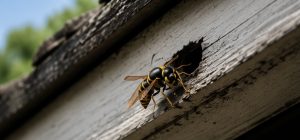
They were following the exact same route back and forth through a tiny gap beneath the fascia board.
Hidden just above the family’s heads, a wasp colony was beginning to grow.
Across South London, this is how many roof infestations start.
Not with a visible nest.
But with small warning signs that most people overlook.
The Early Warning Signs
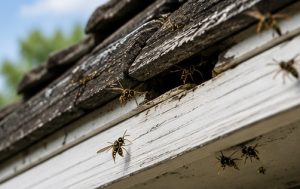
A wasp nest often gives subtle clues long before the nest itself becomes visible.
Watch for:
- Wasps repeatedly entering the same gap in the roof
- Increased activity around soffits or fascia boards
- Wasps gathering near loft vents
- Buzzing sounds inside ceilings or loft spaces
- Activity around chimneys or roof edges
Individually, these signs may seem harmless.
Together, they often indicate hidden nesting activity.
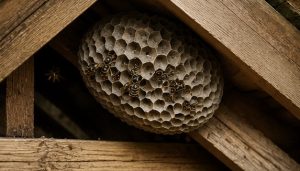
Why Roofs Make The Perfect Home
Roof spaces provide everything a queen wasp needs:
- Warmth
- Shelter
- Protection from weather
- Quiet areas with very little disturbance
Tiny gaps beneath roof tiles, fascia boards or vents can provide ideal access.
Once inside, a colony can grow rapidly without being noticed.
Fun Fact #1
Every wasp colony begins with just one queen.
By late summer, that single queen may have produced hundreds or even thousands of worker wasps.
The Problem With Traditional Roof Inspections
For years, homeowners had only two choices:
Climb onto the roof themselves.
Or wait until the problem became obvious.
Neither is ideal.
Roof inspections can be dangerous, and many nests remain hidden until colonies have already become well established.
By then, treatment may be more complex.
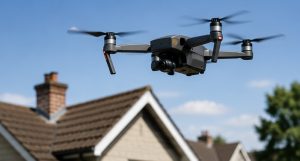
How Technology Is Helping Homeowners Spot Problems Earlier
Modern pest management is changing.
Instead of relying on guesswork, professionals increasingly use technology to gather evidence before recommending treatment.
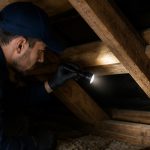
High-resolution photography, digital inspection reports and, where appropriate, drone-assisted roof inspections allow difficult-to-reach areas to be assessed more safely and thoroughly.
Rather than simply telling homeowners there may be a problem, technology can help provide clear visual evidence of:
- Roof defects
- Potential entry points
- Areas of wasp activity
- Structural issues that may increase future risk
Technology doesn’t replace professional experience.
It helps professionals make better-informed decisions.
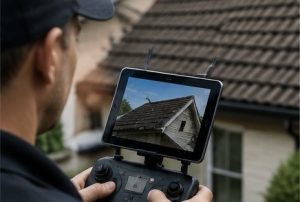
Why Evidence Matters
A modern pest inspection should do more than confirm that pests are present.
It should explain:
- Where activity has been identified
- How wasps are accessing the property
- Why treatment is recommended
- What preventative work could reduce future infestations
Evidence gives homeowners confidence.
It replaces uncertainty with informed decision-making.
Fun Fact #2
Wasps don’t make their nests from paper.
They scrape weathered wood from fences, sheds and trees before mixing it with saliva to create the paper-like material used to build their colonies.
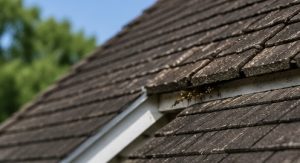
What Professionals Look For
Today’s inspections focus on more than just the nest.
Professionals assess:
- Roof condition
- Entry points
- Structural vulnerabilities
- Nest location
- Proofing opportunities
- Future prevention
Finding the nest is only one part of solving the problem.
Preventing it from happening again is equally important.
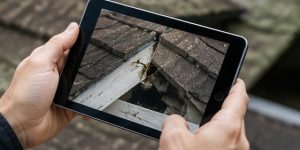
The Future Of Roof Pest Inspections
The pest management industry is evolving.
Around the world, technology and data are helping professionals detect hidden risks earlier, document findings more accurately and provide homeowners with greater transparency.
Instead of reacting to large infestations, the future is moving towards earlier identification and better prevention.
For homeowners, that means fewer surprises and more informed decisions.
What This Means For South London Homeowners
If you’ve noticed wasps repeatedly flying around your roof, don’t ignore it.
Those few insects could be pointing to a much larger problem hidden from view.
Early inspections supported by modern technology can help identify potential risks before they become established infestations.
Sometimes the biggest pest problems are the ones you never see.
The Bigger Lesson
A wasp nest doesn’t appear overnight.
It grows quietly.
Often hidden.
Often unnoticed.
Modern pest management is no longer just about removing nests.
It’s about using technology, evidence and professional expertise to identify problems earlier, explain findings clearly and help homeowners protect their properties before small warning signs become major infestations.
That’s the future of pest control.
And it’s already beginning.
Learn More
Visit www.veritexpestcontrol.com to learn more about professional wasp inspections, roof assessments and modern preventative pest management across South London.