





Pest control is changing.
For businesses, modern pest management is no longer simply about turning up, finding a pest and applying a treatment.
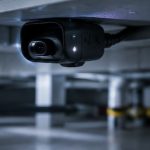
Technology is giving pest professionals better ways to inspect properties, collect evidence, monitor activity and understand risks over time.
But what tools should a modern commercial pest control company actually be using?
Digital Inspection And Reporting Tools
Paper records can make it difficult to track what happened during previous inspections.
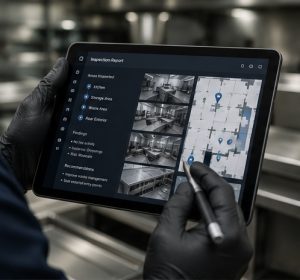
Digital reporting systems allow professionals to record findings, photographs, recommendations and follow-up actions in one place.
For businesses, this creates a clearer record of what was inspected, what was found and what action was recommended.
It also makes it easier to compare findings across multiple visits and build a useful history of the property.
Smart Monitoring Devices
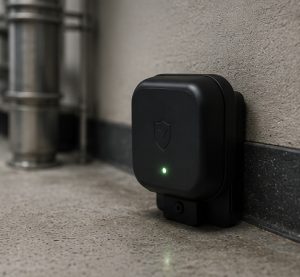
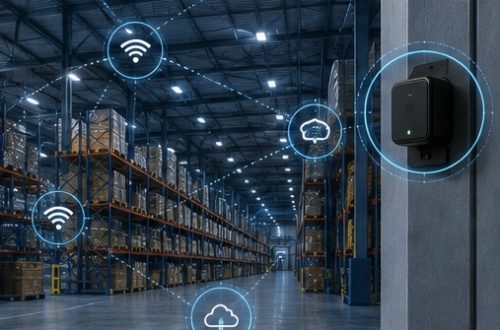
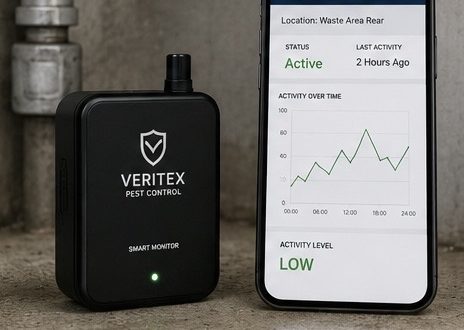
Smart monitoring can provide information between scheduled inspections.
Connected monitoring devices can help identify changes in pest activity and, depending on the system, provide alerts when unusual activity is detected.
This gives professionals another source of evidence when assessing commercial pest risks.
Instead of relying entirely on what can be seen during a scheduled visit, monitoring can provide additional insight into what happens between inspections.
Thermal Imaging
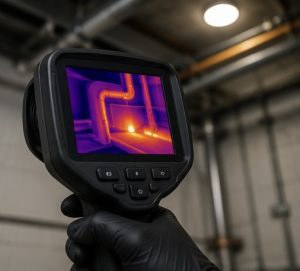
Some pest-related issues occur in areas that aren’t immediately visible.
Thermal imaging cameras can help professionals identify temperature differences that may warrant further investigation, particularly around building structures and difficult-to-access areas.
Thermal imaging doesn’t automatically identify a pest problem.
Instead, it can be a useful investigative tool alongside physical inspections and other evidence.
Inspection Cameras And Borescopes
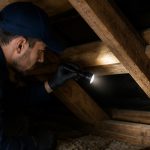
Small inspection cameras can help professionals look into difficult-to-access spaces such as cavities, voids and concealed areas.
This can reduce the need for guesswork when investigating potential entry points or hidden conditions.
Being able to see inside areas that would otherwise be difficult to inspect can provide valuable information about what is happening within a property.
Digital Site Mapping
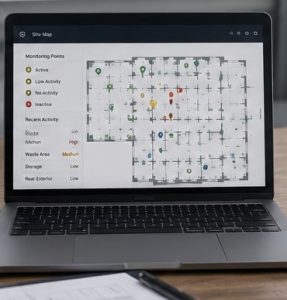
Large commercial properties can contain hundreds of potential risk points.
Digital site mapping allows professionals to record monitoring locations, inspection areas and recurring activity across a property.
Over time, these maps can make it easier to identify hotspots and understand how pest risks are distributed throughout a business.
This can be particularly useful for large warehouses, hotels, restaurants and other multi-area commercial premises.
Data And Historical Records
Perhaps one of the most important tools isn’t a physical device at all.
It’s data.
Historical inspection records can reveal recurring activity, seasonal trends and locations that repeatedly require attention.
When current findings are compared with historical information, professionals can make more informed recommendations.
A single inspection provides a snapshot.
A history of inspections can reveal the bigger picture.
Drones And Remote Inspection Tools
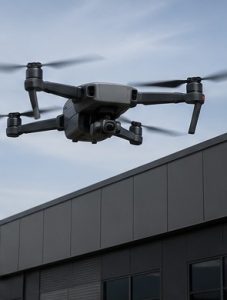
Some commercial properties contain roofs, high structures and other difficult-to-access areas.
Where appropriate and legally permitted, drones can provide another way to inspect external areas such as roofs, gutters and building structures.
They can help professionals identify areas that may require closer investigation without immediately putting someone in a difficult-to-access location.
Technology Doesn’t Replace Expertise
Having advanced equipment doesn’t automatically make a pest control company better.
The value comes from knowing when and how to use the right tool.
A thermal camera, monitoring device or drone is only useful when the information it produces is interpreted correctly.
Modern pest management should therefore combine:
The right tools + reliable data + professional expertise.
Technology should strengthen professional judgement, not replace it.
Fun Fact
Did you know that pest professionals can sometimes use several different types of evidence to investigate the same problem?
A photograph might show a potential entry point, a monitoring device might reveal activity in the area, and historical records might show that the same location has caused problems before.
Together, these pieces of information can provide a much clearer picture than any single observation.
What Should Businesses Look For?
When choosing a commercial pest control provider, businesses should look beyond the equipment list.
Ask:
- How are inspections recorded?
- Can findings be supported with photographs or other evidence?
- Is pest activity monitored between visits?
- Are historical records used?
- Can recurring risks be identified?
- How is technology combined with professional judgement?
The goal isn’t to find the company with the most gadgets.
It’s to find a company that uses technology meaningfully to improve inspection, monitoring and decision-making.
The Future Of Commercial Pest Control
The next generation of pest control will increasingly combine physical inspection with digital information.
Smart monitoring, digital reporting, site mapping, imaging technology and historical data can help professionals understand commercial pest risks more clearly.
For businesses, that means pest management can become more transparent, targeted and preventative.
The future isn’t about replacing the pest professional with technology.
It’s about giving the professional better tools to make better decisions.
Learn More
Visit www.veritexpestcontrol.com to discover how technology, data and professional expertise can help your business manage pest risks more intelligently.