






I’m One Failed Inspection Can Cost More Than You Think
Imagine opening your restaurant on a busy Friday evening.
Customers are arriving.
Orders are coming in.
Your staff are busy preparing meals.
Then an Environmental Health Officer arrives for an inspection.
Everything seems to be going well until evidence of pest activity is discovered.
Suddenly, what should have been another profitable day becomes a serious business concern.
For restaurants across the UK, pest control isn’t just about protecting food.
It’s about protecting compliance, reputation and customer confidence.
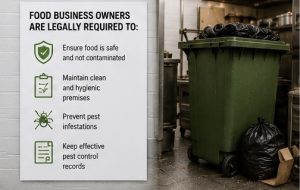
Why Pest Control Is A Legal Responsibility
Food businesses in the UK have a legal responsibility to keep their premises clean, safe and free from pest activity.
Pests can contaminate food, damage stock and create significant public health risks.
That’s why effective pest management forms an important part of food safety systems.
Restaurant owners are expected to take reasonable steps to prevent pest infestations—not simply respond once they occur.
Common Areas That Raise Concern During Inspections
Environmental Health Officers don’t just look for pests.
They assess the conditions that allow pests to thrive.
This includes:
- Waste storage areas
- Food storage
- Kitchen cleanliness
- Drains
- Structural gaps
- Evidence of rodents or insects
- Cleaning procedures
- Pest management records
Even if no live pests are found, poor housekeeping or inadequate prevention measures may still raise concerns.
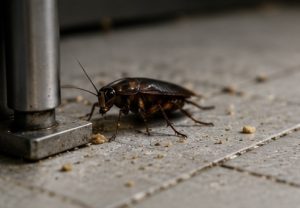
In Prevention Is Better Than Emergency Treatment
Many businesses only contact pest control after they notice a problem.
By then, pests may already have:
- Contaminated food
- Damaged stock
- Interrupted operations
- Harmed customer confidence
Preventative inspections help reduce these risks by identifying problems early.
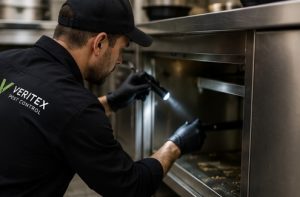
Modern Compliance Requires More Than A Checklist
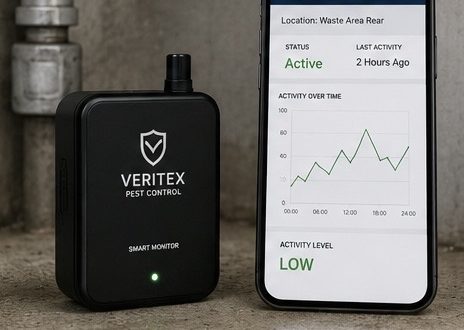
Today’s leading pest management companies use technology to provide businesses with greater transparency.
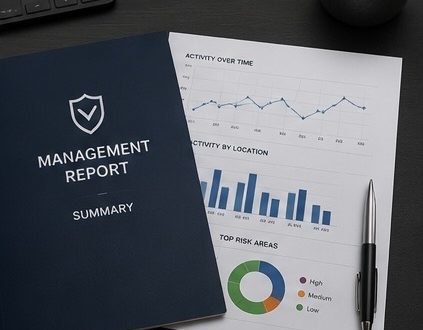
Digital inspection reports, photographic evidence and detailed recommendations help restaurant owners understand exactly what has been inspected and what actions should be taken.
Rather than relying on verbal advice alone, businesses receive documented evidence that supports better decision-making.
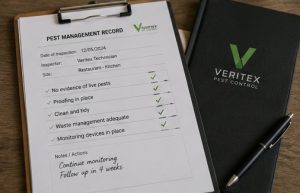
Why Documentation Matters
If regulators, insurers or management teams ask about pest control, documentation becomes invaluable.
Modern inspection reports may include:
- Inspection findings
- Photographic evidence
- Risk assessments
- Recommended corrective actions
- Follow-up schedules
- Preventative recommendations
Good records demonstrate that pest management is being taken seriously.
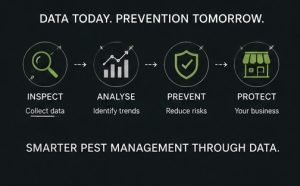
Using Data To Improve Food Safety
Each inspection creates valuable information.
Over time, that information becomes data.
By analysing recurring pest activity, seasonal trends and high-risk areas, businesses can improve prevention strategies rather than repeatedly reacting to the same issues.
This is where technology is changing commercial pest management.
Instead of simply solving today’s problem, data helps reduce tomorrow’s risk.
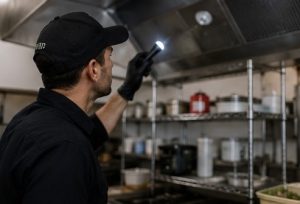
What Professional Pest Inspectors Assess
A commercial inspection typically includes:
- Kitchens
- Food preparation areas
- Dry storage
- Refrigeration areas
- Waste disposal
- External perimeters
- Drains
- Roof voids where appropriate
- Structural entry points
The objective is to identify vulnerabilities before pests exploit them.
The Future Of Regulatory Compliance
Across the UK, food businesses are increasingly adopting digital systems to improve compliance and accountability.
Technology is helping businesses maintain better records, identify risks earlier and demonstrate proactive management.
The future of pest control isn’t simply about removing pests.
It’s about combining professional expertise with technology, evidence and data to support safer businesses.
What This Means For Restaurant Owners
Compliance isn’t something to think about only when an inspection is due.
It should be part of everyday operations.
Regular professional inspections supported by technology help restaurants reduce risks, improve documentation and protect both customers and reputation.
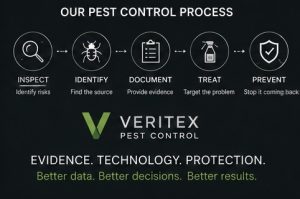
The Bigger Lesson
The best pest problem is the one your customers never see.
Modern restaurant pest management isn’t just about treatment.
It’s about prevention.
Through technology, evidence-based inspections and data-driven recommendations, restaurants can make smarter decisions that protect their business long before a problem develops.
Learn More
Visit www.veritexpestcontrol.com to discover how technology-led commercial pest inspections help restaurants across South London maintain compliance, protect their reputation and prevent costly infestations.