








Many homeowners assume that dealing with the same pest more than once is simply bad luck.
A mouse appears in winter.
Ants return every spring.
Flies seem to reappear every summer.
Each time, the immediate problem is treated, and life goes back to normal.
But what if these recurring pest problems aren’t isolated incidents?
What if they’re revealing something much bigger about your home?
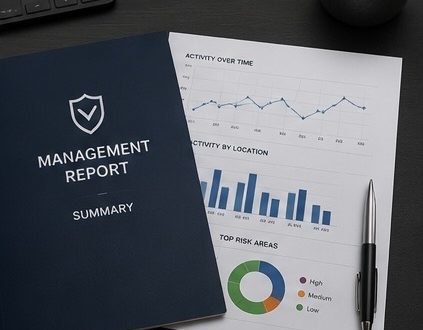
Modern pest management is moving beyond simply treating pests. Instead, professionals are using data, technology and historical information to identify patterns that help explain why problems keep returning.
One Pest Problem May Not Tell The Whole Story
A single pest sighting doesn’t always indicate a long-term issue.
However, repeated activity over months or years often suggests that conditions remain favourable for pests.
Professionals look beyond the individual pest to understand:
- Where activity occurs.
- When it happens.
- How often it returns.
- Whether the same species is involved.
These recurring patterns provide valuable information that a single inspection may not reveal.
Why Do Pests Keep Coming Back?
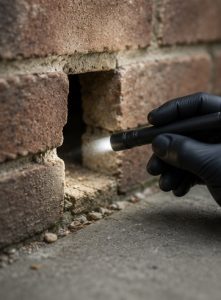
Recurring pest problems are often linked to conditions that remain unchanged.
These may include:
- Small entry points around the property.
- Moisture issues.
- Poor ventilation.
- Nearby vegetation.
- Food sources.
- Waste storage.
- Structural defects.
Removing the pest without addressing these conditions may allow the problem to return.
Historical Information Matters
One inspection provides a snapshot.
Multiple inspections create a history.
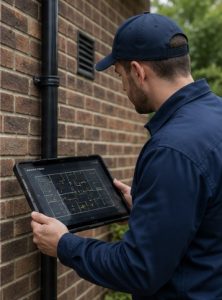
Modern pest professionals increasingly use digital records and inspection data to compare findings over time.
This allows them to identify:
- Seasonal trends.
- Repeated entry points.
- Areas of persistent activity.
- Changes in pest behaviour.
Historical information helps professionals understand not only what is happening today, but what has been happening over months or even years.
Technology Helps Identify Hidden Patterns

Technology is making it easier to understand recurring pest activity.
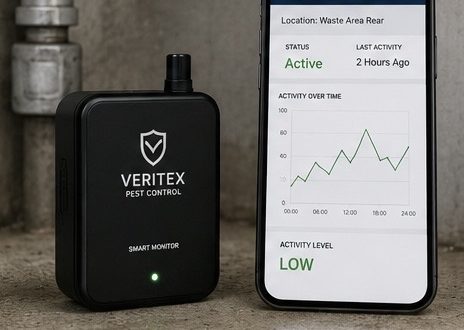
Digital inspection reports, monitoring devices and photographic records allow professionals to compare findings between visits.
Instead of relying solely on memory, inspectors can build a clearer picture of how pest activity changes over time.
This supports more informed recommendations and more effective preventative strategies.
Looking Beyond The Treatment
Effective pest control isn’t simply about removing today’s pest.
It is about understanding why that pest appeared in the first place.
Professional recommendations may include:
- Sealing entry points.
- Improving drainage.
- Reducing moisture.
- Adjusting waste storage.
- Increasing monitoring.
- Scheduling preventative inspections.
These actions help reduce the likelihood of repeated infestations.
Prevention Starts With Understanding

The earlier recurring patterns are recognised, the easier they may be to address.
Waiting until pests become a regular occurrence can increase:
- Property damage.
- Repair costs.
- Stress for homeowners.
- The likelihood of larger infestations.
Understanding recurring activity allows homeowners to act before small problems become much bigger ones.
The Bigger Lesson
Repeated pest problems are often signs of an underlying issue rather than separate events.
By combining professional expertise with technology, historical data and evidence-based inspections, pest professionals can identify recurring patterns that help prevent future infestations.
The goal is not simply to treat pests.
It is to understand why they keep returning.
Learn More
Visit www.veritexpestcontrol.com to learn more about technology-led pest inspections, digital monitoring and preventative pest management across South London.