








You may only see a single mouse.
One wasp.
A few ants.
Or perhaps a fly that keeps appearing in the kitchen.
To many homeowners, these seem like isolated incidents.
But to a pest professional, they can be valuable clues.
Pest activity often tells a story about a property.
It can reveal hidden entry points, environmental conditions, moisture problems, food sources or structural vulnerabilities that may otherwise go unnoticed.
Modern pest management is no longer just about removing pests.
It is about understanding what those pests are telling us about the home.
Every Pest Leaves Clues

Different pests behave in different ways.
The location of activity, the time of year and the type of pest involved all provide useful information.
For example:
- Rodents may indicate accessible entry points around the property.
- Wasps often suggest suitable nesting locations in roof spaces or wall cavities.
- Flies can point towards hidden food sources or moisture issues.
- Ants frequently follow predictable routes towards food or water.
Understanding these patterns helps professionals investigate beyond the pest itself.
Patterns Matter More Than Individual Sightings
Seeing one pest does not always indicate a serious infestation.
However, repeated sightings can reveal a pattern.
Professionals often consider:
- Where activity occurs.
- How frequently pests are seen.
- Whether activity changes with the seasons.
- Whether multiple pest species are present.
Patterns provide better information than isolated observations.
Looking Beyond The Pest

A professional assessment focuses on the conditions that allow pests to survive.
Inspectors may evaluate:
- Potential entry points.
- Moisture levels.
- Waste storage.
- Vegetation around the property.
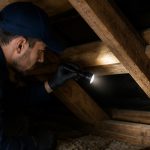
- Roof spaces.
- Wall cavities.
- Ventilation.
- Structural defects.
The objective is not simply to remove pests.
It is to understand why they appeared in the first place.
Technology Helps Build A Clearer Picture

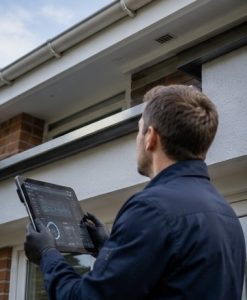
Modern pest professionals increasingly use technology alongside traditional inspections.
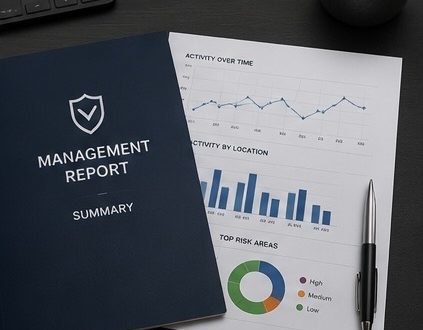
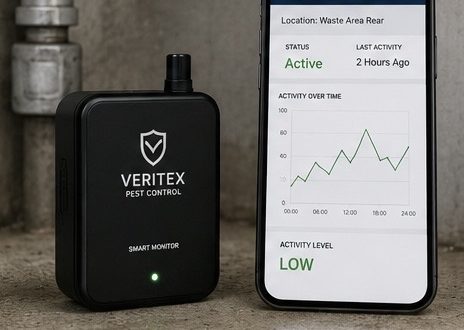
Digital inspection reports, photography and electronic monitoring devices can help record activity more accurately.
Instead of relying solely on memory or visual observations during one visit, professionals can compare findings over time.
This creates a more complete understanding of pest activity.
Why Evidence Is Important
Professional recommendations should be supported by evidence.
Homeowners should understand:
- What was found.
- Where it was found.
- Why it matters.
- What may be causing the activity.
- What action is recommended.
Clear evidence helps homeowners make informed decisions instead of relying on assumptions.
Small Clues Can Prevent Bigger Problems
Early pest activity often provides an opportunity to act before larger problems develop.
Identifying the cause of pest activity early may help reduce:
- Property damage.
- Larger infestations.
- Repeated pest problems.
- More extensive treatments.
Understanding the warning signs allows preventative action to begin sooner.
The Bigger Lesson
Pests are often symptoms rather than the problem itself.
They may indicate conditions within or around the property that require attention.
By combining professional expertise with technology and evidence-based inspections, pest activity becomes valuable information rather than simply an inconvenience.
The better we understand those signs, the better we can protect our homes.
Learn More
Visit www.veritexpestcontrol.com to learn more about technology-led pest inspections, digital monitoring and preventative pest management across South London.