








The Invisible Messages Being Sent All Around You
Imagine walking into a room where hundreds of people are communicating.
No one is speaking.
No one is texting.
No one is making a sound.
Yet somehow, everyone knows exactly where to go and what to do.
It sounds impossible.
But in the world of insects, it happens every day.
The secret is something called pheromones.
Tiny chemical signals that allow insects to communicate with each other in ways that humans cannot see, hear, or smell.
And today, scientists are using that knowledge to develop smarter approaches to pest management.
What Are Pheromones?
Pheromones are natural chemical messages released by animals and insects.
When another member of the same species detects that chemical signal, it triggers a specific response.
Depending on the species, pheromones can help insects:
- Find food
- Locate mates
- Warn of danger
- Mark trails
- Identify colonies
In simple terms, pheromones are the insect world’s communication system.
Fun Fact #1
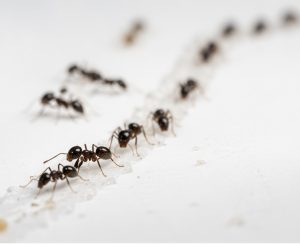
Ants rely heavily on pheromone trails.
When an ant discovers food, it leaves behind an invisible chemical path.
Other ants follow that trail, reinforcing it as they travel.
This is one reason ants seem to “magically” know where your kitchen sugar is.
The Power Of Invisible Communication
One of the most remarkable things about pheromones is how effective they are.
A tiny amount can influence the behaviour of large numbers of insects.
To humans, nothing appears different.
To the insects, the message is crystal clear.
Scientists have spent decades studying these chemical signals to better understand insect behaviour.
The more they learn, the more opportunities they discover.
From Observation To Innovation
For many years, pest management focused primarily on visible signs of activity.
Today, researchers are increasingly interested in understanding the behaviour behind those activities.
Why do pests gather in certain places?
Why do they follow specific routes?
How do they find one another?
Pheromones provide many of the answers.
By understanding these chemical signals, researchers can learn more about how pest populations behave.
Fun Fact #2
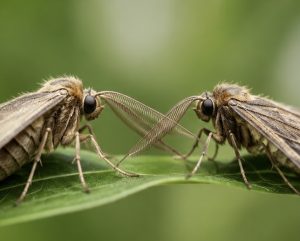
Some moth species can detect pheromone signals from astonishing distances.
In certain conditions, males may locate females from several kilometres away using only chemical cues.
How Pheromones Are Used In Modern Pest Management
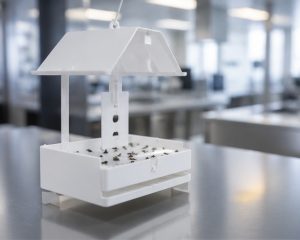
One of the most common applications involves monitoring.
Specialised monitoring devices can use synthetic versions of natural pheromones to attract specific species.
This helps researchers and professionals better understand activity levels.
It can also provide valuable information about:
- Seasonal trends
- Population changes
- Species presence
- Behaviour patterns
The result is more information and better visibility.
Why Information Matters
The future of pest management is increasingly focused on understanding.
Understanding behaviour.
Understanding movement.
Understanding risk.
The more information available, the easier it becomes to make informed decisions.
Pheromone technology is one example of how science is helping provide that information.
Fun Fact #3
Scientists continue discovering new pheromone compounds every year.
Many species use unique chemical signals that are still being studied today.
What This Means For South London
Across South London, both homeowners and businesses benefit from advances in research and technology.
The more experts understand about pest behaviour, the better equipped they are to monitor activity and identify emerging trends.
While most people will never notice these invisible chemical conversations, they play a significant role in the natural world around us.
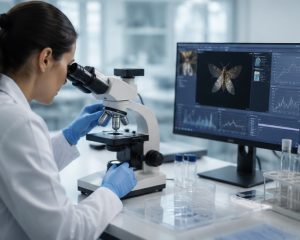
Looking Ahead
The future of pest management may depend less on reacting to problems and more on understanding them.
Pheromone research is helping reveal how pests communicate, organise, and behave.
And every new discovery helps build a clearer picture.
Because sometimes the smallest signals can provide the biggest insights.
Learn More
Visit www.veritexpestcontrol.com to explore more insights into the science, research, and innovations shaping the future of pest management across South London.