








The Sound That Changed Everything
It started with a sound.
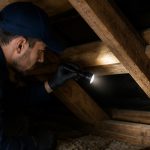
A faint buzzing coming from somewhere above the ceiling.
At first, it was easy to ignore.
Perhaps it was the wind.
Maybe a loose fixture.
Or simply one of those strange noises that every house seems to make from time to time.
But over the following days, the sound became more noticeable.
Then came the wasps.
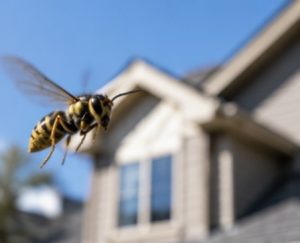
A few appeared near the upstairs window.
Another hovered near the loft hatch.
Then more began appearing around the property.
What seemed like a minor mystery soon revealed a much larger problem.
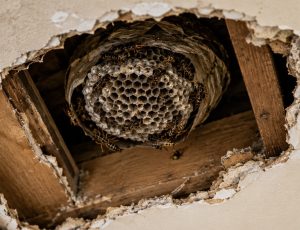
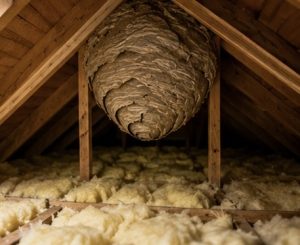
A hidden wasp nest had been growing above the family’s heads the entire time.
And stories like this are surprisingly common across South London.
Why Hidden Nests Are So Common
Most people imagine wasp nests hanging visibly from trees or sheds.
In reality, many nests are built where homeowners rarely look.
Common locations include:
- Loft spaces
- Roof voids
- Wall cavities
- Chimneys
- Garages
- Garden structures
These locations provide shelter, warmth, and protection from the weather.
Which makes them ideal places for a colony to grow unnoticed.
Fun Fact #1
Every wasp colony begins with a single queen.
After surviving winter, she starts building a nest alone before producing the first generation of workers.
By late summer, a colony may contain hundreds or even thousands of wasps.
The Warning Signs Most People Miss
One reason hidden nests become established is because the early signs are often subtle.
Homeowners may notice:
- Occasional wasps indoors
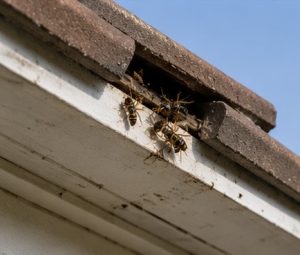
- Increased activity near rooflines
- Wasps entering the same gap repeatedly
- Buzzing sounds in ceilings or walls
- Activity around loft vents
Individually, these signs may seem harmless.
Together, they can indicate a much larger colony nearby.
Why The Buzzing Happens
As colonies grow, so does activity inside the nest.
Worker wasps constantly move in and out searching for food and water.
Inside the nest, hundreds of insects may be active at the same time.
That movement can sometimes create audible buzzing, particularly when nests are located in lofts, ceilings, or wall cavities.
In some cases, homeowners hear the nest before they ever see it.
Fun Fact #2
The paper-like material used to build wasp nests is actually made from chewed wood fibres mixed with saliva.
Wasps gather material from fences, sheds, trees, and garden structures to construct their homes.
The Hidden Risk Of Waiting
One of the biggest mistakes homeowners make is assuming the problem will resolve itself.
Unfortunately, colonies do not shrink during summer.
They grow.
What begins as a small nest in spring can become a large, well-established colony by late summer.
The longer activity continues unnoticed, the larger the colony may become.

Technology Is Helping Reveal Hidden Problems
Many hidden nests are located in areas that are difficult to inspect safely.
Modern technologies such as drone inspections are helping provide visibility into locations homeowners rarely see.
Rooflines.
Chimneys.
Gutters.
Loft access points.
Instead of relying solely on guesswork, professionals can gain a clearer understanding of potential nesting locations.
Technology does not replace expertise.
It helps provide better information.
Fun Fact #3
Some species of wasps can recognise individual faces and remember visual patterns, making them far more sophisticated than many people realise.
What This Means For South London Homeowners
South London’s combination of family homes, gardens, loft spaces, and older properties creates ideal nesting opportunities for wasps.
The challenge is not always the wasps you can see.
It is the nest you cannot.
A few insects flying around the garden may simply be workers travelling to and from a much larger colony hidden nearby.
That is why awareness is so important.
The Bigger Lesson
The most dangerous pest problems are often the ones that remain unnoticed.
A faint buzzing.
A few insects.
A small sign that seems easy to ignore.
Yet behind those signs, an entire colony may already be established.
Because when it comes to wasps, the real problem is often hiding in plain sight.
Learn More
Visit www.veritexpestcontrol.com to explore more insights, advice, and innovations helping South London homeowners protect their homes and families throughout the year.