





The Future Of Pest Control: Data And Technology

Pest Control Is Changing
For many years, pest control followed a relatively simple process.
A pest was discovered.
A professional was called.
The problem was inspected.
Treatment was carried out.
But the pest control industry is changing.
Technology, digital monitoring and historical data are creating new opportunities for professionals to understand pest activity more clearly and respond to risks earlier.
The future of pest control is no longer only about reacting to problems after they appear.
It is increasingly about using information to understand risk, identify patterns and prevent problems before they become serious.
From Reactive To Proactive Pest Management
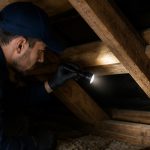
Traditional pest control often begins when a problem has already become visible.
A business discovers signs of rodents.
A homeowner finds a wasp nest.
A restaurant notices an increase in flies.
A professional is then called to investigate and respond.
Modern pest management is moving towards a more proactive approach.
This means asking:
- What risks are present?
- Where could pests enter?
- Has similar activity occurred before?
- Are there recurring patterns?
- What conditions could create a future problem?
The goal is to identify risks earlier rather than waiting for them to become major infestations.
Technology Is Changing How Pest Activity Is Monitored
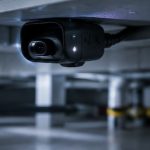
Digital monitoring is becoming increasingly important in modern pest management.
Depending on the property and the type of pest risk, technology may include:
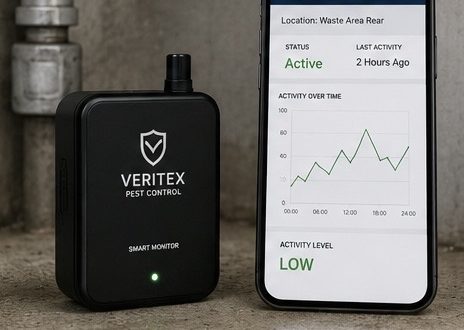
- Digital monitoring devices
- Electronic sensors
- Connected monitoring systems
- Digital inspection reports
- High-resolution photography
- Data collection platforms
These tools can help professionals gather more information about what is happening at a property.
Instead of relying only on what can be seen during a single visit, monitoring technology can provide a broader picture of activity over time.
Data Can Reveal Patterns
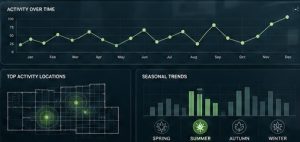
A single inspection provides a snapshot.
Historical data can reveal a story.
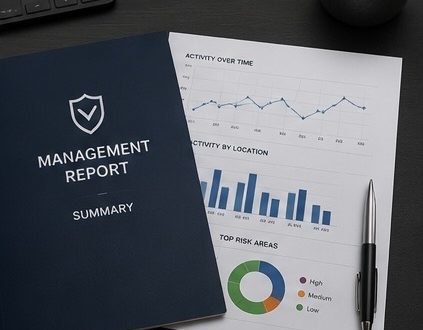
Over time, inspection and monitoring records may help identify:
- Recurring pest activity
- Seasonal patterns
- High-risk areas
- Repeated entry points
- Changes in activity levels
This information can help professionals understand not only where a pest problem has occurred, but also where future risks may be more likely to develop.
The more complete the information, the better-informed the decision-making process can become.
The Rise Of Predictive Pest Management
Predictive pest management does not mean that every pest problem can be predicted with absolute certainty.
Pest activity is influenced by many different factors.
Weather.
Building conditions.
Food availability.
Waste management.
Human activity.
Seasonal changes.
However, historical information can help professionals identify patterns and risk factors.
This may allow businesses to take preventative action before a problem becomes more serious.
The industry is gradually moving from:
Detect → Treat → Repeat
Towards:
Monitor → Analyse → Prevent
Accurate Identification Will Remain Essential
Technology and data are valuable.
But they are only as useful as the information being collected.
If a pest is incorrectly identified, the wrong assumptions may be made about:
- Its behaviour
- Its source
- Its entry points
- The conditions supporting it
- The appropriate response
Accurate pest identification remains a fundamental part of effective pest management.
Technology can help professionals collect better evidence.
Data can help reveal patterns.
But professional expertise is still needed to understand what the information means.
The Importance Of Evidence
The future of pest control will become increasingly evidence-based.
Professionals may use:
- Photographic evidence
- Digital inspection reports
- Monitoring records
- Historical data
- Site mapping
- Environmental information
This can help create a clearer understanding of what is happening at a property.
For businesses and homeowners, this also creates greater transparency.
Instead of simply being told that a pest problem exists, they can better understand:
- What was found
- Where it was found
- Why it may be happening
- What risks are present
- What action is recommended
Better information leads to better decisions.
Technology Will Not Replace Professionals
As technology becomes more advanced, it is important to understand its role.
Digital monitoring devices cannot replace professional judgement.
Data cannot inspect a building on its own.
A digital system cannot always understand the wider environmental conditions affecting a property.
Technology is most valuable when it supports professional expertise.
The future of pest control is therefore unlikely to be:
Technology instead of people.
It is more likely to be:
Technology + Data + Professional Expertise.
This combination can help professionals make more informed decisions and provide better solutions.
What The Future May Look Like
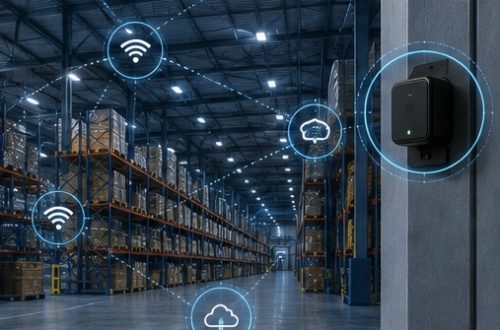
The pest control industry is likely to become increasingly connected.
Future developments may include:
- Smarter monitoring systems
- More advanced sensors
- Real-time activity alerts
- Improved digital inspection records
- Automated data analysis
- More detailed risk assessments
- Better predictive models
These developments could help professionals identify emerging risks earlier.
They could also help businesses understand their pest risks more clearly and take preventative action sooner.
Prevention Will Become More Important
The future of pest control will not simply be about removing pests.
It will also be about reducing the conditions that allow problems to develop.
This may include:
- Identifying structural vulnerabilities
- Improving waste management
- Monitoring high-risk areas
- Improving storage practices
- Sealing entry points
- Tracking recurring activity
Prevention is often more effective when it is based on a clear understanding of the risk.
This is where technology and historical data can play an increasingly important role.
What This Means For Businesses
For restaurants, cafés, warehouses, retail spaces and other commercial properties, the future of pest management may offer greater visibility.
Businesses can increasingly move towards a system where they understand:
- What is happening
- Where risks are developing
- How activity is changing
- What patterns have appeared previously
- What action should be taken next
This can support more informed decisions and help reduce the risk of small problems becoming major disruptions.
The Future Is Not About Technology Alone
Technology is changing pest control.
But technology alone is not the solution.
The future of effective pest management will depend on combining:
Accurate information.
Reliable data.
Professional expertise.
Clear evidence.
Preventative action.
The strongest pest management strategies will use technology to gather better information and professionals to turn that information into practical decisions.
The Bigger Lesson
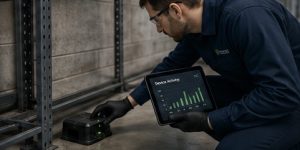
The future of pest control is becoming more proactive, more connected and more data-driven.
Digital monitoring can help track activity.
Historical data can reveal patterns.
Accurate identification can improve decision-making.
Technology can help professionals understand risks earlier.
But the goal remains simple:
Prevent pest problems before they become bigger problems.
The pest control industry is moving away from simply reacting to what has already happened.
The future is about understanding what is happening, identifying what could happen next and taking action before a small risk becomes a serious problem.
That is the future of pest control.
And it is being built through the combination of data, technology and professional expertise.
Learn More
Visit www.veritexpestcontrol.com to learn more about technology-led pest management, digital monitoring, data-informed inspections and preventative pest control across South London.