






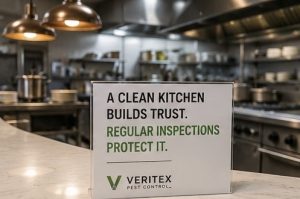
One Pest Sighting Can Damage Years Of Hard Work
You’ve spent years building your restaurant’s reputation.
Customers trust your food.
Your kitchen passes inspections.
Your reviews are excellent.
Then one customer spots a cockroach.
Or a mouse.
Or flies around the food preparation area.
Within minutes, photos appear online.
Negative reviews follow.
Customer confidence disappears.
For many businesses, the financial damage caused by a single pest sighting is far greater than the cost of preventing one.
That’s why regular pest inspections have become an essential part of running a successful restaurant.
So, How Often Should Restaurants Have Pest Control Inspections?
There isn’t one fixed rule that applies to every restaurant.
Inspection frequency depends on several factors, including:
– The type of food being prepared
– The size of the premises
– Previous pest activity
– Location
– Waste management
– Environmental risks
Higher-risk food businesses often require more frequent inspections than lower-risk premises.
A professional pest management company can recommend an inspection schedule based on the specific risks associated with your business.
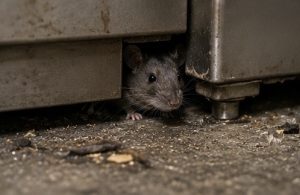
Why Regular Inspections Matter
Pests rarely appear overnight.
They usually leave warning signs long before customers notice them.
Routine inspections help identify:
– Early pest activity
– Structural vulnerabilities
– Entry points
– Hygiene risks
– Environmental conditions that encourage infestations
The earlier these issues are identified, the easier and often less costly they are to address.
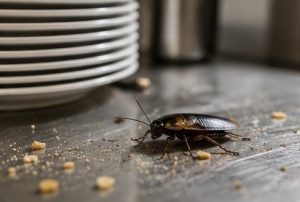
The Cost Of Waiting
Many restaurant owners only call pest control after staff or customers notice a problem.
Unfortunately, by then the consequences may include:
– Negative online reviews
– Lost customer confidence
– Food contamination risks
– Operational disruption
– Increased treatment costs
Preventative inspections are designed to reduce these risks before they affect your business.
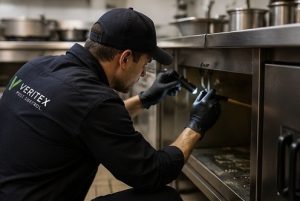
Modern Pest Control Is More Than Traps And Sprays
Today’s pest management industry has evolved significantly.
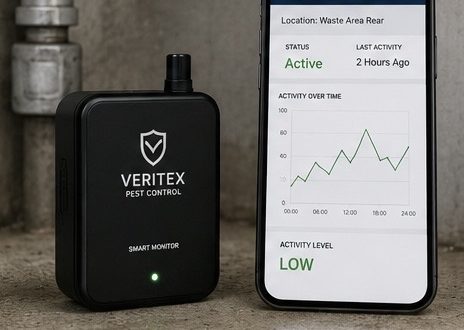
Leading pest professionals increasingly rely on technology, data and evidence to support inspections.
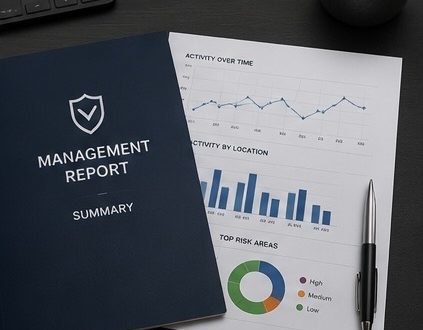
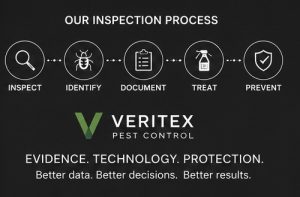
Digital reporting systems, photographic documentation, trend analysis and detailed inspection records provide businesses with greater visibility into potential risks.
Instead of simply treating pests, modern inspections help explain:
– Where activity has been identified
– Why pests are entering
– What conditions are contributing to the problem
– Which preventative actions should be prioritised
Evidence-based inspections support better business decisions.
Why Documentation Matters
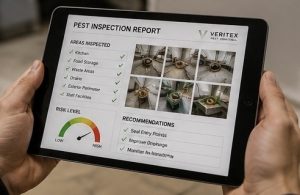
If an issue arises, documented inspection records can demonstrate that your business is taking proactive steps to manage pest risks.
Modern inspection reports often include:
– Photographic evidence
– Risk assessments
– Inspection findings
– Recommended corrective actions
– Follow-up schedules
This level of documentation provides clarity for both business owners and their teams.
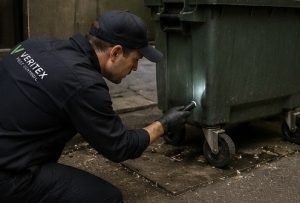 Using Data To Prevent Future Problems
One inspection provides valuable information.
Multiple inspections provide trends.
By monitoring pest activity over time, professionals can identify recurring issues before they become serious infestations.
This allows businesses to move from reactive pest control to preventative pest management.
That’s where data becomes one of the most valuable tools in modern pest control.
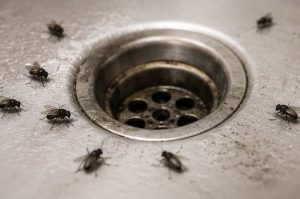
What Professional Inspectors Look For
Restaurant inspections typically assess:
– Food storage areas
– Waste disposal systems
– Drainage
– Delivery entrances
– External surroundings
– Structural gaps
– Evidence of pest activity
– Hygiene practices
The objective isn’t simply to find pests.
It’s to identify risks before pests become a problem.
The Future Of Restaurant Pest Management
Across the UK and around the world, restaurants are increasingly embracing technology to improve food safety and pest prevention.
Digital inspection records, smarter monitoring systems and data-driven recommendations are helping businesses protect both their reputation and their customers.
The future of pest management isn’t about responding faster.
It’s about preventing problems before they occur.
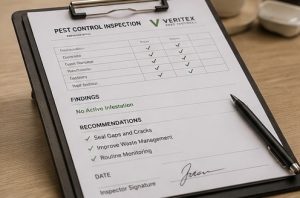
What This Means For Restaurant Owners
If your restaurant only contacts pest control when something goes wrong, you’re already reacting.
Regular inspections supported by modern technology help identify hidden risks, improve compliance and provide greater confidence that your business is protected.
For restaurants, prevention is always better than recovery.
The Bigger Lesson
Customers rarely remember the inspections you carried out.
They remember the pest they saw.
Modern pest management is about protecting reputation through evidence, technology and proactive decision-making.
Because in hospitality, confidence is built long before customers sit down to eat.
Learn More
Visit www.veritexpestcontrol.com to learn how modern, technology-led pest inspections help restaurants and food businesses across South London protect their reputation, maintain compliance and prevent costly infestations.