



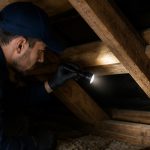


Imagine discovering a pest problem hidden inside your walls before you ever hear scratching in the loft.
Or identifying a wasp nest hidden beneath your roof tiles before it becomes a danger to your family.
For years, pest control has relied heavily on visual inspections and experience.
While those remain essential, modern technology is giving pest professionals new ways to identify hidden risks that homeowners simply can’t see.
Today’s inspections are becoming smarter, more accurate and increasingly driven by evidence rather than assumptions.
Many Pest Problems Remain Hidden
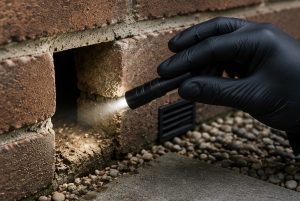
One of the biggest challenges in pest control is that pests rarely make themselves obvious.
Rodents travel inside wall cavities and lofts.
Wasps build nests inside roof spaces.
Cockroaches hide behind appliances and inside voids.
By the time homeowners notice obvious signs, the problem may already be well established.
Finding hidden activity early is one of the biggest advantages of modern inspection technology.
Technology Is Improving Pest Inspections

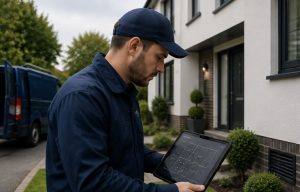
Professional pest control companies are increasingly using technology to support traditional inspections.
Depending on the property and situation, this may include:
- Digital inspection reporting
- Drone roof inspections
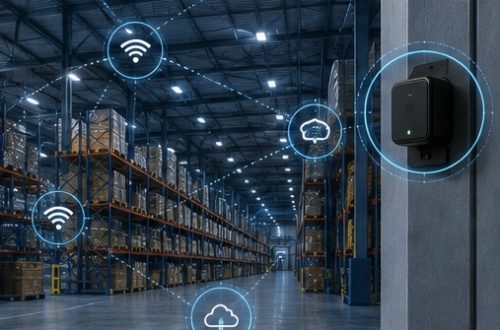
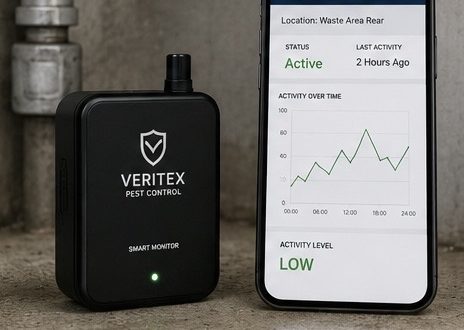
- Smart monitoring devices
- Digital photography
- Historical inspection records
- Mapping software
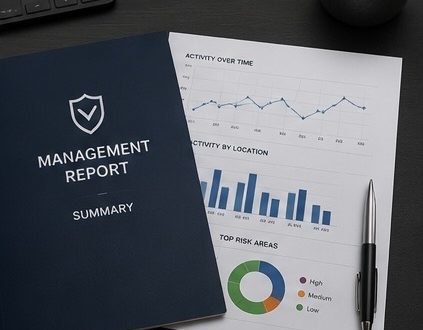
These tools help professionals collect better information and provide homeowners with clearer evidence.
Better Information Leads To Better Decisions
Technology doesn’t replace professional experience.
It supports it.
Instead of relying solely on a single visual inspection, professionals can combine multiple sources of information to build a more complete understanding of the property.
This helps answer important questions such as:
- Where is pest activity occurring?
- Is activity increasing or decreasing?
- Which areas require closer attention?
- Are there recurring patterns?
The more information available, the more informed the recommendations become.
Drone Technology Is Opening New Possibilities
Some pest problems begin in places homeowners rarely inspect.
Roofs.
Chimneys.
Gutters.
High-level rooflines.
Modern drone technology allows these areas to be inspected safely while providing high-quality imagery that can reveal damaged roof tiles, gaps, nesting opportunities and other conditions that may contribute to pest activity.
Instead of relying on guesswork, professionals can often inspect difficult-to-reach areas without unnecessary disruption.
Digital Records Create Better Evidence
Every inspection creates information.
When those inspections are stored digitally, professionals can compare findings over time.
Historical records help identify:
- Repeated pest activity.
- Seasonal patterns.
- Structural changes.
- Areas requiring continued monitoring.
Evidence-based inspections provide homeowners with greater confidence when making decisions about their property.
Prevention Is Better Than Reaction

The greatest value of technology is not simply finding pests.
It is identifying risks before they become major infestations.
Early detection allows professionals to recommend preventative measures that may reduce:
- Property damage.
- Repair costs.
- Health risks.
- Repeat infestations.
Preventative pest management is becoming increasingly important as technology continues to improve.
The Future Of Pest Inspections
As technology continues to evolve, pest inspections are becoming more accurate, more transparent and more data-driven.
Homeowners can expect inspections that combine professional expertise with digital tools, helping identify hidden risks earlier and providing clearer evidence to support recommendations.
The future of pest control isn’t replacing people with technology.
It’s giving professionals better tools to protect homes more effectively.
Learn More
Visit www.veritexpestcontrol.com to learn more about technology-led pest inspections, digital monitoring and preventative pest management across South London.