




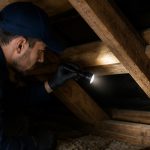


A Pest Inspection Is About More Than Finding Pests
When most business owners think about a pest control inspection, they imagine someone walking into a building, looking around for pests and leaving.
Modern commercial pest inspections are much more detailed than that.
A professional inspection is about understanding the entire environment.
Where could pests enter?
What conditions could attract them?
Are there signs of previous activity?
What risks could become a bigger problem in the future?
The answers often require more than simply finding a live pest.
The First Step: Understanding The Site
Every commercial property is different.
A restaurant, warehouse, café or retail space can have completely different pest risks.
Before inspecting individual areas, professionals consider the wider environment, including:
- The type of business
- The building’s layout
- Nearby properties
- Waste storage
- Delivery areas
- Food storage
- Previous pest activity
Understanding the site helps inspectors identify areas that may require closer attention.
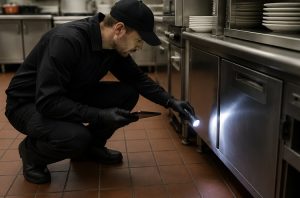
What Inspectors Look For Inside The Building
During an inspection, professionals examine areas where pests may feed, hide or enter.
This may include:
- Kitchens
- Food preparation areas
- Storage rooms
- Delivery entrances
- Staff areas
- Waste areas
- Drains
- Service spaces
- Roof voids where appropriate
The objective is not simply to find pests.
It is to understand the conditions that allow them to survive.
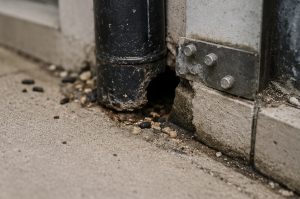
Entry Points Are Often The Real Problem
A pest problem rarely happens without a reason.
Small gaps around doors, pipes, vents and structural areas can create opportunities for pests to enter.
Inspectors may look for:
- Gaps beneath doors
- Damaged seals
- Cracks in walls
- Openings around pipes
- Broken vents
- Gaps around loading areas
Identifying these vulnerabilities can be just as important as finding the pest itself.

Waste And Food Storage
Food and waste areas can create significant pest risks when they are not properly managed.
Inspectors may assess:
- How waste is stored
- How frequently bins are emptied
- Whether food is properly sealed
- Storage conditions
- Spillages
- Cleaning routines
Small environmental conditions can sometimes create opportunities for pest activity.
Technology Is Changing Commercial Inspections
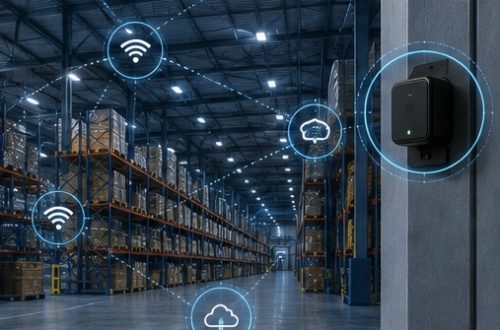
Modern inspections increasingly use technology to improve the quality of information collected.
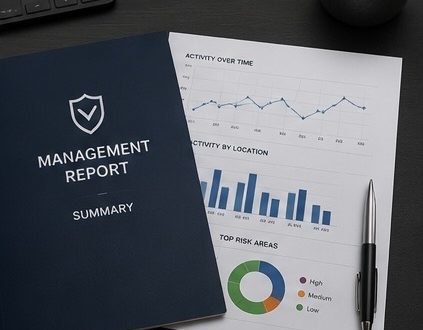
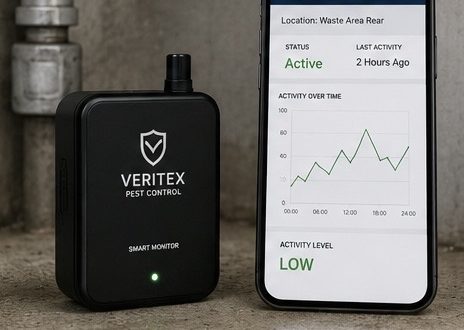
Digital inspection reports, high-resolution photography, electronic monitoring devices and site mapping can help professionals document findings more accurately.
Instead of relying only on memory or handwritten notes, inspectors can create a clearer record of what was found and where.
This helps businesses make better-informed decisions.
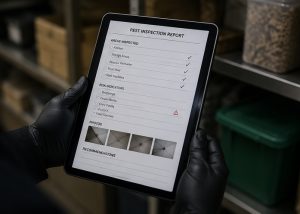
Why Evidence Matters
A professional inspection should give a business more than a simple statement that pests are present.
It should help answer:
- What was found?
- Where was it found?
- How serious is the risk?
- What may be causing the problem?
- What action should be taken next?
Photographic evidence, digital records and clear recommendations help business owners understand the situation more clearly.
Data Makes Future Inspections More Valuable
One inspection provides a snapshot.
Multiple inspections create a history.
Over time, inspection data can help identify:
- Repeated activity
- Seasonal patterns
- High-risk areas
- Recurring entry points
- Changes in pest activity
This information allows pest management to become more proactive.
Instead of treating every visit as an isolated event, professionals can use historical information to understand how risks are changing.
The Inspection Doesn’t End When The Visit Does
A modern commercial pest inspection should lead to clear action.
Depending on the findings, recommendations may include:
- Proofing entry points
- Improving waste management
- Changing storage practices
- Increasing monitoring
- Scheduling follow-up inspections
- Addressing structural vulnerabilities
The goal is not simply to identify a problem.
It is to help reduce the chance of that problem returning.
The Future Of Commercial Pest Inspections
Commercial pest management is becoming increasingly connected to technology and data.
The future of inspections may involve smarter monitoring, more detailed digital records and better analysis of historical activity.
This allows businesses to move away from simply reacting to pest problems.
Instead, they can identify risks earlier and make more informed decisions.
What This Means For Business Owners
A commercial pest inspection should provide clarity.
Business owners should understand:
- What was inspected
- What was found
- What risks were identified
- What evidence supports the findings
- What actions are recommended
The more transparent the process, the easier it becomes to make confident decisions.
The Bigger Lesson
The best pest inspection is not simply about finding a pest.
It is about understanding the environment.
By combining professional expertise with technology, evidence and historical data, modern pest inspections can help businesses identify risks earlier and prevent small problems from becoming expensive ones.
That is the future of commercial pest control.
Learn More
Visit www.veritexpestcontrol.com to learn more about technology-led commercial pest inspections and preventative pest management across South London.