







It Started With One Sighting
One customer.
One photograph.
One online review.
That’s all it took.
The business wasn’t shut down.
The building wasn’t overrun with pests.
There wasn’t a major infestation.
Yet a single pest sighting triggered a chain of events that ultimately cost the company more than £27,000 in lost revenue, corrective actions, reputation management, and operational disruption.
For many business owners, the biggest cost of a pest problem isn’t the pest itself.
It’s everything that happens afterwards.

Why One Sighting Can Become A Major Problem
In today’s world, customers carry a camera in their pocket.
The moment they see something unusual, they can:
- Take a photo
- Post it online
- Leave a review
- Share it with hundreds or thousands of people
For restaurants, cafés, retailers, warehouses, and hospitality businesses, reputation can be affected far faster than many owners realise.
A single image can travel much further than a business owner expects.

The Real Cost Isn’t Always The Pest
When business owners think about pest control costs, they often focus on treatment.
The reality is far broader.
A pest incident can lead to:
- Negative reviews
- Lost customer trust
- Reduced foot traffic
- Operational disruption
- Staff concerns
- Follow-up inspections
- Corrective maintenance work
In some cases, the financial impact can be many times greater than the cost of preventing the problem in the first place.
What Inspectors Actually Notice
Many businesses assume inspectors only look for pests.
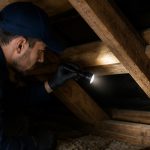
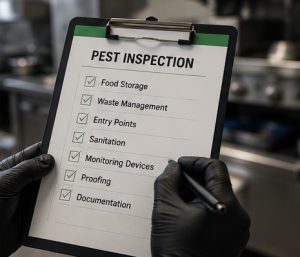
In reality, inspections often focus on evidence and risk factors, including:
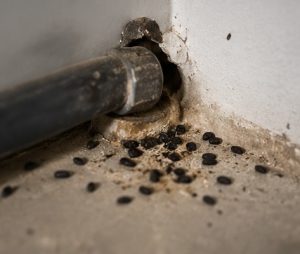
- Droppings
- Gnaw marks
- Food storage practices
- Waste management
- Entry points
- Structural defects
- Record keeping
- Monitoring systems
This is why modern pest management is increasingly focused on prevention rather than reaction.
Fun Fact #1
In many commercial environments, inspectors are often more concerned about evidence of activity than the actual sighting itself.
Evidence can reveal an ongoing issue that may require further investigation.
Why Restaurants Face Particular Risks
Restaurants operate in an environment that naturally attracts pests.
Food.
Water.
Warmth.
Shelter.
All four are readily available.
This is why restaurant pest control is not simply about removing pests.
It’s about reducing risk continuously.
Regular inspections, monitoring, and documentation help demonstrate that preventative measures are in place.

The Growing Importance Of Data
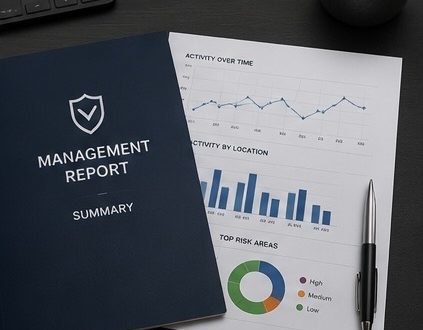
Modern pest management is becoming increasingly data-driven.
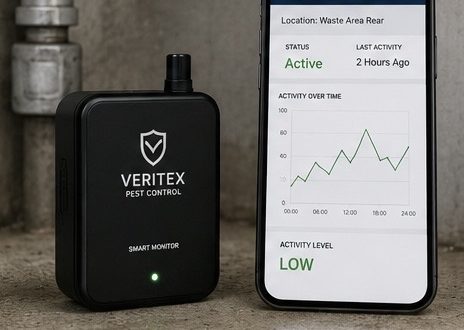
Instead of waiting for problems to become visible, businesses can use:
- Monitoring systems
- Inspection records
- Historical activity data
- Trend analysis
to identify risks earlier.
This approach helps businesses move from reactive pest control to proactive pest management.
Fun Fact #2
Some commercial pest issues are identified through monitoring data before staff or customers ever see evidence of activity.
The Hidden Risks Most Businesses Miss
Many pest issues begin in areas customers never see.
Common examples include:
- Storage rooms
- Waste areas
- Ceiling voids
- Service corridors
- Loading bays
- Plant rooms
- Staff kitchens
Because these locations are often out of sight, problems can develop unnoticed.
This is why regular inspections remain so important.
Why Prevention Protects Reputation
The strongest pest management strategy is often the one customers never notice.
When monitoring, inspections, maintenance, and preventative measures work together, potential problems can often be identified before they become public issues.
A business that prevents a problem rarely makes headlines.
A business that ignores warning signs sometimes does.
Fun Fact #3
Many of the most successful commercial pest management programmes focus on reducing risk rather than responding to emergencies.
What This Means For South London Businesses
Whether you operate:
- A restaurant
- A café
- A retail store
- A warehouse
- A hospitality venue
your reputation is one of your most valuable assets.
Customers may never see your pest management programme.
But they will notice the consequences if one doesn’t exist.
The Bigger Lesson
The £27,000 lesson isn’t really about pests.
It’s about reputation.
One customer.
One photograph.
One review.
In a connected world, small incidents can quickly become larger business problems.
That’s why modern businesses increasingly view pest management as part of risk management.
Because protecting your reputation often starts long before anyone notices a problem.
Learn More
Visit www.veritexpestcontrol.com to learn how preventative pest management, inspections, monitoring, and data-driven solutions help South London businesses reduce risk and protect their reputation.