







A pest problem that keeps returning isn’t always a series of separate incidents.
Sometimes, it’s a pattern.
A restaurant may experience repeated rodent activity in the same area. A hotel may notice recurring insect activity during certain months. A warehouse may repeatedly experience problems around the same storage or delivery points.
Without historical data, these incidents can look unrelated.
With the right data, a much clearer picture can emerge.
One Inspection Shows A Moment. Data Shows A Pattern.
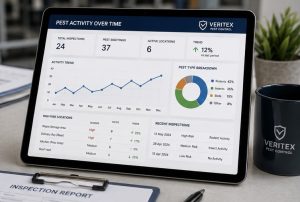
A single pest inspection tells you what is happening at that particular moment.
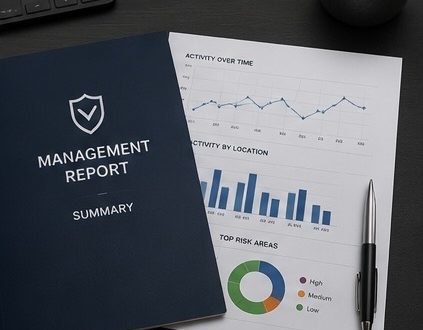
Historical inspection records can tell you much more.
They can reveal:
- Where pest activity has occurred before.
- How frequently it returns.
- Whether activity increases during particular seasons.
- Which areas repeatedly require attention.
- Whether previous treatments actually reduced activity.
This information can help businesses move from reacting to individual incidents to managing recurring risks.
Why Recurring Problems Matter
When the same problem appears repeatedly, there may be an underlying cause.
It could be:
- A recurring entry point.
- Poor waste management.
- Moisture or drainage issues.
- Food availability.
- Structural gaps.
- Changes in the surrounding environment.
Treating the visible problem without understanding the underlying cause can result in repeated disruption and unnecessary expense.
Digital Records Make Patterns Easier To See
Modern digital inspection systems allow pest professionals to record findings consistently.
Photographs, monitoring results, inspection locations and recommendations can be stored and compared over time.
Instead of relying on memory or scattered paperwork, businesses can build a clearer history of their pest risks.
Data Can Help Identify High-Risk Areas
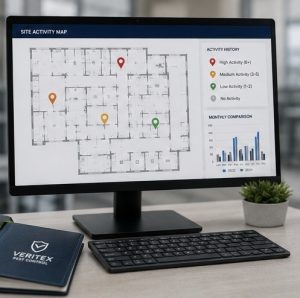
Historical information can reveal that certain parts of a business experience more activity than others.
For example:
A restaurant may repeatedly experience activity around waste storage.
A warehouse may see recurring issues near loading bays.
A hotel may notice seasonal activity in particular areas.
Identifying these hotspots allows professionals to focus attention where it matters most.
Monitoring Turns Inspections Into Ongoing Intelligence
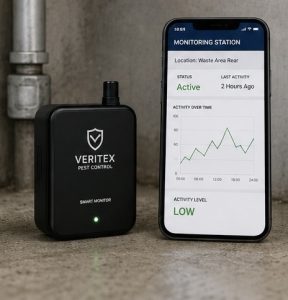
Smart monitoring can provide information between scheduled visits.
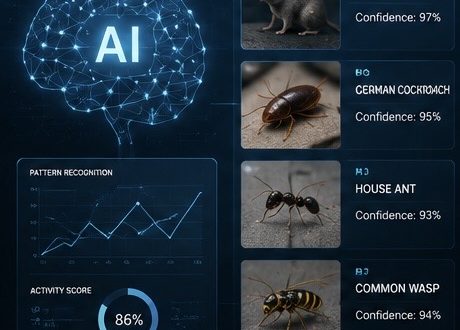
Instead of simply asking whether pests were found during an inspection, businesses can begin to understand how activity changes over time.
This can help professionals identify unusual increases, recurring trends and areas that may require closer attention.
Fun Fact
Did you know that pest activity can sometimes follow surprisingly consistent seasonal patterns?
Temperature, rainfall, food availability and changes in building conditions can all influence pest behaviour.
This means historical records from previous years can provide useful clues when assessing future risk.
From Historical Data To Predictive Pest Management
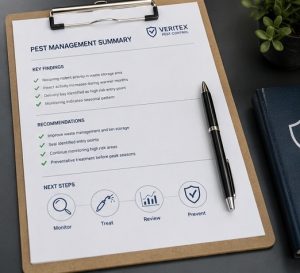
The real value of historical pest data isn’t simply knowing what happened in the past.
It’s using that information to make better decisions about the future.
When professionals combine historical records, monitoring data and on-site inspections, they can identify recurring risks earlier and recommend more targeted preventative measures.
That’s where pest control becomes more strategic.
Technology Is Changing The Way Businesses Manage Risk
The future of commercial pest control will increasingly depend on data.
Digital reporting, smart monitoring, site mapping and data analysis are giving businesses a clearer understanding of what’s happening across their premises.
The goal isn’t simply to treat every new pest incident.
It’s to understand the pattern behind the incidents and address the risk at its source.
The Bigger Picture
A recurring pest problem shouldn’t simply be accepted as part of running a business.
It should be investigated.
Historical data can help reveal where problems are occurring, how often they return and what conditions may be contributing to them.
With better information, businesses can make better decisions.
And with better decisions, pest management can become more preventative, targeted and effective.
Learn More
Visit www.veritexpestcontrol.com to discover how technology, historical data and smart monitoring can help businesses manage pest risks more intelligently.