





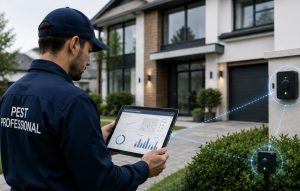
Most people think of pests as simple creatures that appear, cause problems and disappear.
In reality, pests are constantly adapting to their surroundings.
Scientists have discovered that many pests display surprisingly complex behaviours, and modern technology is helping researchers understand them better than ever before.
From smart sensors to artificial intelligence, the future of pest control is becoming less about reacting to infestations and more about understanding why they happen in the first place.
Pest Behaviour Is More Predictable Than You Think
Although pests may seem unpredictable, many follow consistent patterns.
Rodents often use the same travel routes every night.
Ants leave chemical trails that guide other ants to food sources.
Wasps return repeatedly to favourable nesting locations.
Cockroaches prefer dark, humid environments with easy access to food and water.
Recognising these patterns helps professionals identify pest activity earlier and recommend more effective solutions.
Smart Monitoring Is Revealing New Insights
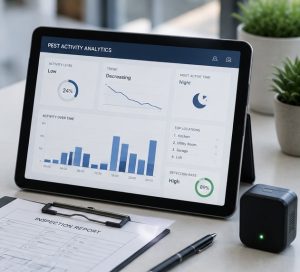
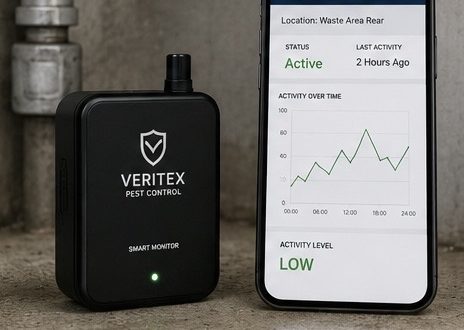
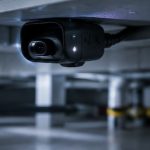
Modern monitoring devices allow professionals to collect information over time instead of relying on a single inspection.
These systems can help identify:
- Changes in pest activity.
- Peak activity periods.
- Frequently used entry points.
- Seasonal trends.
- Areas requiring additional monitoring.
Over weeks and months, this information creates a much clearer picture of pest behaviour.
Artificial Intelligence Is Improving Identification
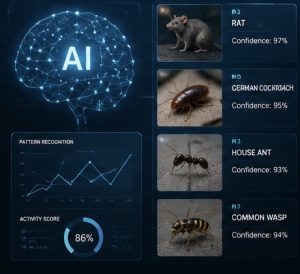
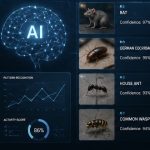
Artificial intelligence is beginning to assist professionals by analysing images, recognising pest species and identifying patterns that may otherwise be overlooked.
While AI doesn’t replace professional expertise, it can help speed up inspections and improve consistency.
As these systems continue to evolve, they are expected to become an increasingly valuable tool within the industry.
Historical Data Makes Every Inspection Smarter
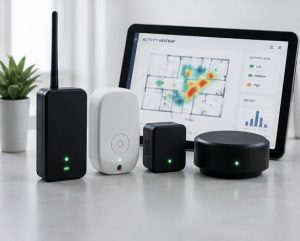
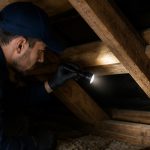
Every inspection generates useful information.
When inspection records are stored digitally, professionals can compare today’s findings with previous visits.
This helps identify:
- Recurring infestations.
- Seasonal activity.
- Structural vulnerabilities.
- Long-term trends.
Historical data transforms individual inspections into part of a much bigger picture.
Fun Fact
Did you know researchers have found that some rodents quickly learn to avoid unfamiliar objects placed along their regular routes?
This cautious behaviour, known as neophobia, is one reason why professional pest management often relies on careful monitoring, patience and evidence rather than simply placing traps and hoping for the best.
Why This Matters For Homeowners
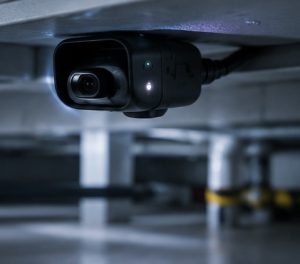
Understanding pest behaviour helps professionals move beyond simply treating visible problems.
Instead, they can identify why pests are appearing, how they are entering a property and what steps can reduce the likelihood of future infestations.
Technology is making these decisions more accurate than ever before.
The Future Of Pest Science
As smart monitoring, artificial intelligence and digital inspection tools continue to improve, professionals will gain even greater insight into pest behaviour.
The future of pest control isn’t simply removing pests.
It’s understanding them well enough to prevent problems before they begin.
Learn More
Visit www.veritexpestcontrol.com to discover how technology-led inspections, smart monitoring and evidence-based pest management are helping protect homes across South London.