




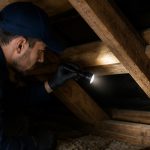



For decades, pest control has followed a familiar pattern.
A homeowner notices a problem.
They call a pest professional.
The infestation is treated.
Then everyone waits to see if the pests return.
This reactive approach has protected homes for years, but technology is changing what’s possible.
Instead of waiting for pests to become a visible problem, modern pest management is moving towards something smarter: predicting risks before infestations happen.
Reactive Pest Control Has Its Limits
Traditional pest control often begins after homeowners notice signs such as:
- Droppings.
- Scratching noises.
- Visible insects.
- Property damage.
- Unpleasant odours.
By this stage, pests may already be well established.
While treatment remains effective, reacting after the problem appears isn’t always the most efficient approach.
Predictive Pest Control Is Different

Predictive pest control focuses on identifying risks before pests become established.
Rather than asking:
“How do we remove this infestation?”
Professionals increasingly ask:
“What conditions could allow an infestation to happen?”
This shift encourages earlier intervention and better long-term protection.
Technology Is Driving The Change
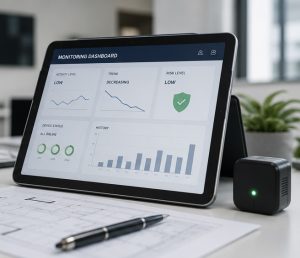
Modern technology is making predictive pest management increasingly achievable.
Today’s professionals may use:
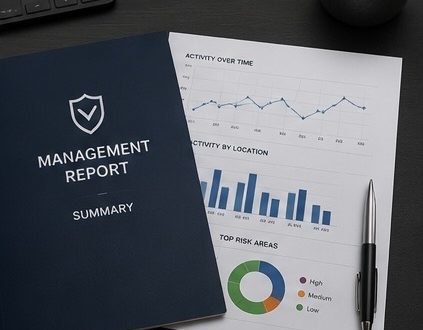
- Digital inspection reports.
- Historical inspection records.
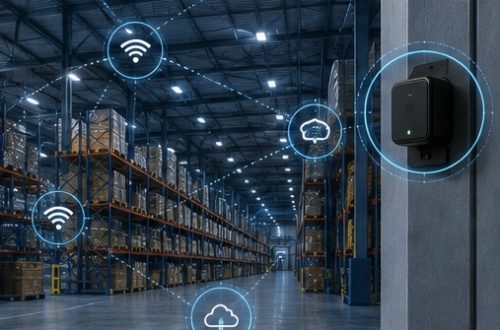
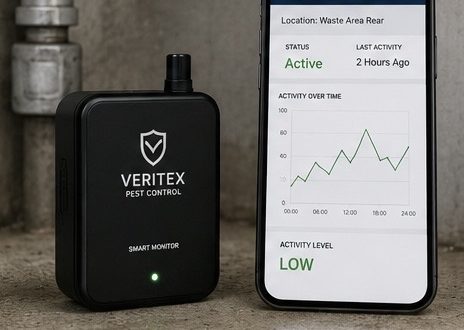
- Smart monitoring devices.
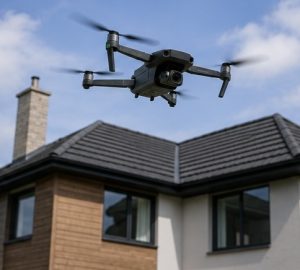
- Drone inspections.
- Environmental data.
- AI-assisted pest identification.
Together, these tools help professionals identify trends that might otherwise go unnoticed.
Why Historical Data Matters
Every inspection creates valuable information.
Over time, inspection histories can reveal:
- Seasonal pest activity.
- Recurring entry points.
- Repeat infestations.
- Environmental changes.
- Areas requiring ongoing monitoring.
Instead of treating each visit as an isolated event, professionals can identify patterns that improve future recommendations.
Early Warnings Mean Better Protection
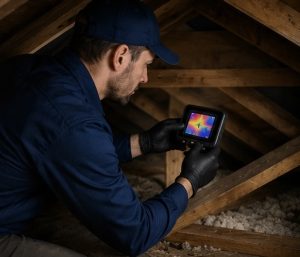
Predictive pest management is about reducing risk before pests become a serious problem.
Early identification may help homeowners avoid:
- Expensive repairs.
- Structural damage.
- Health concerns.
- Larger infestations.
- Repeated treatments.
Preventing an infestation is often easier than dealing with one after it becomes established.
Technology Supports Professional Expertise
Technology doesn’t replace experienced pest professionals.
It gives them better information.
Professional judgement remains essential for interpreting inspection findings, understanding local conditions and recommending practical solutions.
The strongest results come from combining technology with expertise.
Fun Fact
Did you know some smart pest monitoring systems can detect changes in pest activity long before homeowners notice visible signs?
Combined with historical inspection data, these systems help professionals identify trends and respond proactively, reducing the likelihood of major infestations.
The Future Starts Now
The future of pest control isn’t about using more chemicals.
It’s about using better information.
As technology continues to evolve, homeowners can expect inspections that are more accurate, more transparent and increasingly focused on prevention rather than reaction.
The future of home pest control is predictive, evidence-based and technology-driven.
Learn More
Visit www.veritexpestcontrol.com to discover how technology-led inspections, digital monitoring and evidence-based pest management are helping protect homes across South London.