










The Hole That Shouldn’t Have Been There
It starts with a favourite jumper.
Perhaps it’s a cashmere sweater you wear every winter.
Maybe it’s an expensive wool coat hanging neatly in your wardrobe.
Or a designer suit you’ve carefully looked after for years.
One day, you notice something strange.
A tiny hole.
Then another.
And another.
At first, you blame the washing machine.
Maybe the fabric is simply getting old.
But what if something else is responsible?
For many homeowners and boutique owners across South London, the culprit is often something they never see.
Moths.
Why Moths Are A Bigger Problem Than Most People Realise
Unlike many pests, moths rarely announce their presence.
There are no scratching sounds.
No buzzing.
No obvious signs of activity.
The damage often appears before the pest is ever noticed.
That’s what makes moth infestations particularly frustrating.
By the time many people discover the problem, their clothing has already been damaged.
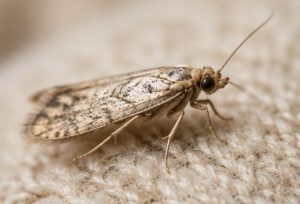
Fun Fact #1
Adult moths don’t actually eat clothes.
The real damage is caused by moth larvae.
The tiny caterpillar-like larvae feed on natural fibres as they grow.
Why Expensive Clothes Are Often Most At Risk
Many homeowners assume moths prefer old or dirty clothing.
The reality is more surprising.
Moth larvae are attracted to natural fibres such as:
- Wool
- Cashmere
- Silk
- Alpaca
- Mohair
- Fur
Unfortunately, these materials are often found in the most valuable items inside a wardrobe.
In other words, the clothes you care about most may be the ones most at risk.
The Hidden Places Moths Love
Many infestations begin in areas people rarely inspect.
Common hiding places include:
- Wardrobes
- Drawers
- Storage boxes
- Under beds
- Spare rooms
- Loft storage areas
- Boutique stock rooms
Dark, undisturbed spaces provide ideal conditions for moth activity.
Fun Fact #2
Clothes moths are surprisingly weak flyers.
Many people never notice them because they tend to stay close to their food source.
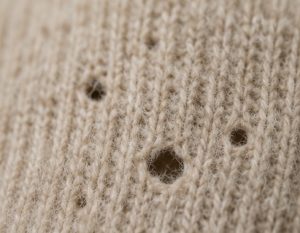
The Warning Signs Most People Miss
The first sign is rarely a moth.
Instead, homeowners often notice:
- Small holes in clothing
- Thinning fabric
- Bald patches on wool items
- Silky webbing
- Tiny larvae
- Shed larval skins
These signs are frequently discovered long after activity has begun.

Why Boutique Owners Face Similar Risks
Moths don’t care whether clothing belongs to a homeowner or a luxury retailer.
For boutiques, the financial impact can be even greater.
A single damaged garment may represent:
- Lost revenue
- Customer dissatisfaction
- Damaged stock
- Reduced product value
This is why stock monitoring and regular inspections are increasingly important for businesses that store natural-fibre clothing.
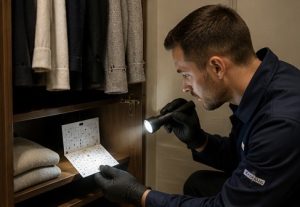
How Modern Pest Control Is Changing Moth Management
Historically, moth infestations were often discovered only after significant damage had occurred.
Today, modern monitoring methods help identify activity earlier.
Professionals may use:
- Monitoring traps
- Inspection programmes
- Activity tracking
- Risk assessments
The goal is simple:
Identify problems before valuable clothing becomes damaged.
Fun Fact #3
Some moth infestations remain active for months before homeowners notice any visible damage.
What Most Homeowners Get Wrong
Many people focus on treating damaged clothing.
The bigger question is:
Where is the infestation coming from?
Unless the source is identified, new damage can continue appearing even after clothing has been cleaned or replaced.
Why Prevention Matters
The cost of prevention is often significantly lower than the cost of replacing damaged garments.
Especially when wardrobes contain:
- Designer clothing
- Cashmere collections
- Luxury coats
- Tailored suits
- Boutique stock
Once damage occurs, repairs are not always possible.
What This Means For South London Homes
South London’s mix of period properties, family homes, apartments, and independent boutiques creates plenty of opportunities for moth activity.
The key is recognising the warning signs early.
Because unlike many other pests, moths often leave evidence of their presence long before anyone sees them.
The Bigger Lesson
Most people never expect a tiny insect to damage some of the most valuable items they own.
Yet every year, homeowners discover holes in favourite jumpers, coats, and luxury garments without understanding why.
The mystery isn’t how the damage happened.
The mystery is often how long it went unnoticed.
Because when it comes to moths, what you don’t see can cost far more than you think.
Learn More
Visit www.veritexpestcontrol.com to learn more about moth prevention, inspections, monitoring, and protecting valuable clothing from hidden damage.