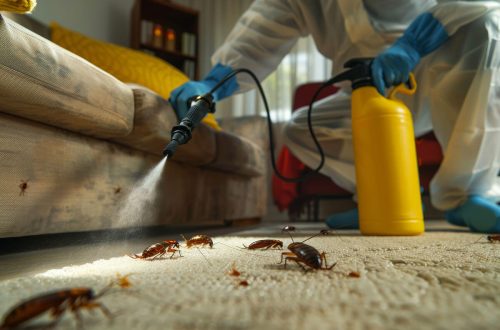




Rats have become an increasingly common problem across South London, with homeowners and businesses reporting more sightings in gardens, lofts, kitchens, and commercial premises than ever before. While many people assume the occasional rat sighting is harmless, the reality is that a single rat can be a sign of a much larger infestation nearby.
Understanding why rat populations are growing and recognizing the early warning signs can help you protect your property before a small issue becomes a costly problem.
Why Are Rats Becoming More Common in South London?
Several factors are contributing to rising rat activity throughout South London:
1. Urban Development and Construction
Ongoing building projects and redevelopment work can disturb existing rat habitats, forcing rodents to seek new shelter in nearby homes, gardens, and commercial buildings.
2. Easily Accessible Food Sources
Overflowing bins, food waste, bird feeders, pet food, and poorly secured rubbish provide a reliable food supply that attracts rats year-round.
3. Mild Winters
Warmer winters allow rat populations to remain active for longer periods, increasing breeding opportunities and population growth.
4. Dense Housing Areas
Terraced properties, apartment blocks, and shared drainage systems can allow rats to move quickly between buildings, making infestations harder to contain.
7 Warning Signs You May Have Rats on Your Property
1. Scratching Noises in Walls or Loft Spaces
One of the earliest signs of rat activity is hearing scratching, gnawing, or scurrying sounds, particularly during the evening or early morning hours.
If you hear regular movement coming from walls, ceilings, lofts, or under floorboards, rodents may already be nesting nearby.
2. Rat Droppings
Rat droppings are typically dark, cylindrical, and about the size of a raisin.
Common locations include:
- Kitchen cupboards
- Behind appliances
- Loft spaces
- Garages
- Near rubbish storage areas
Fresh droppings usually indicate active infestation.
3. Gnaw Marks
Rats continuously chew to prevent their teeth from becoming overgrown.
You may notice damage to:
- Wooden structures
- Electrical cables
- Plastic pipes
- Food packaging
- Furniture
Chewed electrical wiring can also increase fire risks.
4. Grease Marks Along Walls
As rats repeatedly travel along the same routes, oils from their fur can leave dark smudge marks on walls, skirting boards, and entry points.
These marks often indicate established rat pathways.
5. Unusual Pet Behaviour
Dogs and cats can often detect rodents before humans do.
If pets suddenly become fixated on specific walls, cupboards, sheds, or garden areas, it may be worth investigating further.
6. Burrows in the Garden
Rats frequently create burrow systems beneath decking, sheds, patios, and garden structures.
Signs include:
- Small holes in the ground
- Fresh soil around entrances
- Tunnels near fences or compost areas
7. Actual Rat Sightings
Seeing a rat during daylight hours can be a significant warning sign.
Because rats are naturally nocturnal, daytime sightings may suggest that local populations have grown large enough to force some animals out during the day in search of food.
Why You Should Act Quickly
Rats are more than just an inconvenience. They can:
- Contaminate food and surfaces
- Damage property and infrastructure
- Spread harmful bacteria and diseases
- Cause costly repairs through gnawing and nesting activity
The longer an infestation remains untreated, the more difficult and expensive it can become to resolve.
How to Reduce the Risk of Rats
Homeowners can help discourage rodents by:
- Securing rubbish bins with tight-fitting lids
- Removing food sources from gardens
- Keeping outdoor areas tidy
- Sealing entry points around pipes and vents
- Storing pet food securely
- Addressing drainage issues promptly
However, once rats establish a nesting site, professional treatment is often the most effective solution.
Professional Rat Control in South London
At Veritex Pest Control, we provide effective rat control solutions for homeowners, landlords, property managers, and businesses throughout South London and surrounding areas.
Our experienced technicians identify the source of infestations, implement targeted treatment programmes, and provide practical recommendations to help prevent future problems.
If you’ve noticed any of the warning signs listed above, early intervention can help protect your property and avoid a larger infestation.
Need Expert Rat Control?
Contact Veritex Pest Control today to arrange a professional inspection and take the first step towards a rat-free property.